
Guide
Energy-efficient houses: what the nZEB standard means
19 May 2026
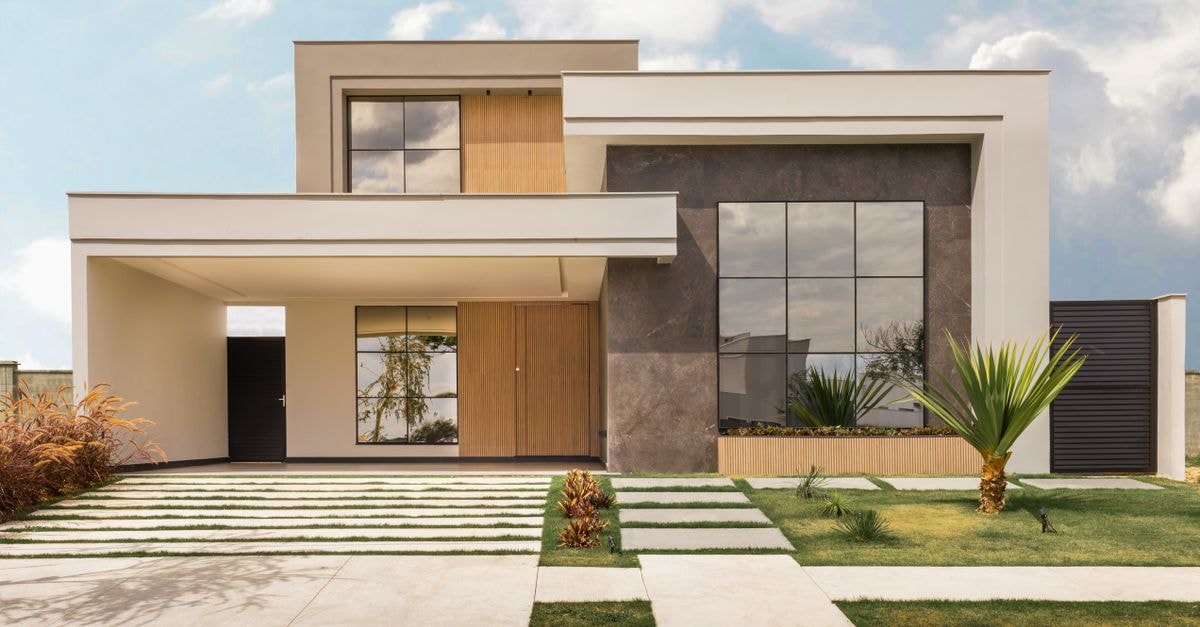
The near-zero-energy building, nZEB, is no longer an aspiration but the standard the European Union has set for new construction, with the small remaining energy demand covered to a significant extent from renewable sources. Behind the label lies a simple idea: a building that needs very little energy to stay comfortable, and that produces a meaningful share of what it does consume.
Efficiency begins with the envelope, the walls, roof and floor that separate inside from out. Generous, continuous insulation, together with good airtightness, reduces the heat that escapes in winter and the heat that enters in summer, lowering demand before any system is sized. It is far cheaper and more durable to lose less heat than to produce more, which is why the envelope is the first investment, not the last.
Windows and thermal bridges are where a well-built envelope is often undone. Performant glazing, correctly oriented and sized, balances daylight and solar gain against heat loss, while thermal bridges, the junctions where insulation is interrupted, at balconies, lintels or foundations, must be detailed with care, because they leak heat and invite condensation. These are design decisions, resolved on paper long before the site.
A tight, well-insulated house needs controlled ventilation to stay healthy, and mechanical ventilation with heat recovery brings in fresh air while reclaiming most of the warmth from the air it expels. On the supply side, renewable sources, a heat pump, solar thermal or photovoltaic panels, cover the reduced demand efficiently. The order matters: first reduce the need, then meet what remains with clean energy.
The decisive point is that energy performance is designed, not added afterwards. Orientation, the envelope, the detailing of junctions and the choice of systems are interdependent, and they are settled in the concept and technical phases, when changes cost nothing. A house conceived this way is cheaper to run, more comfortable and more resilient, comfort that comes from the design itself, not from the energy bill.