
Guide
Orienting the house to sun and wind: comfort by passive means
20 January 2026
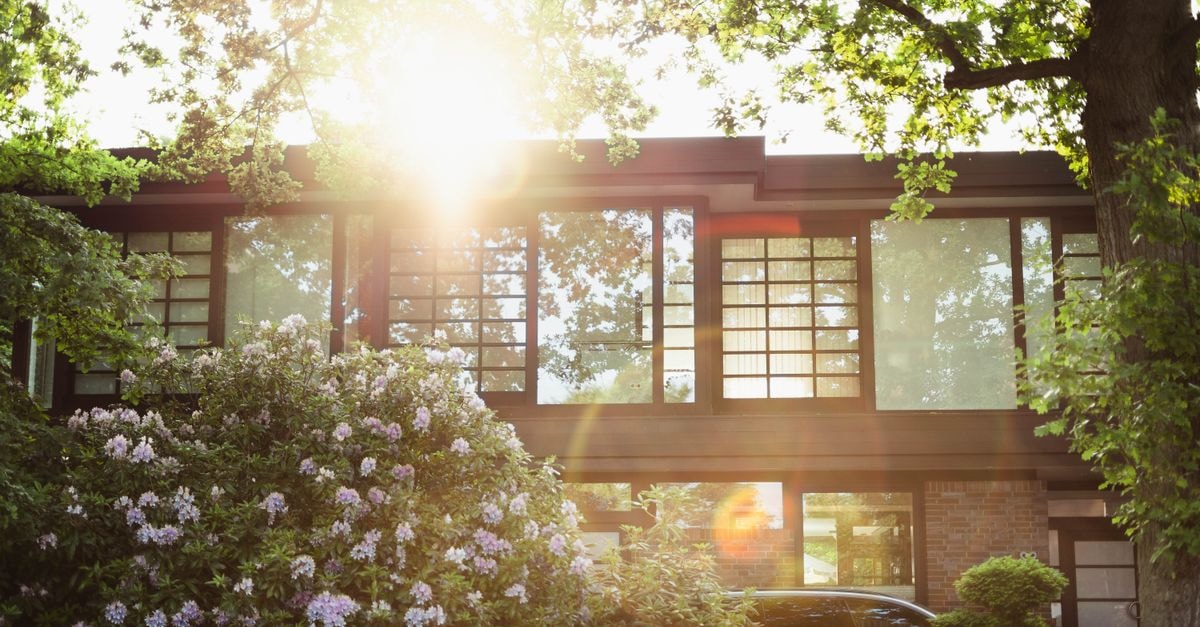
The way a house sits on its plot, before any material is chosen, is one of the most powerful and least expensive instruments for comfort. Sun and wind are constants of the site, and reading them correctly at concept stage lets a building work with the climate rather than against it. Orientation decisions never appear in the cost estimate, yet they are felt every day the house is lived in.
In Romania, the daytime spaces, the living room, the kitchen and the rooms used most, benefit from a southern exposure, which receives the most generous and even light throughout the year. North-facing rooms have a cooler, steadier light, suited to service spaces, storage, technical rooms or a study kept clear of direct glare. The east brings the morning sun, well matched to bedrooms, while the west brings a strong afternoon sun that overheats in summer.
The sun is high in the sky in summer and low in winter, so a well-sized eave or canopy above the southern windows shades the high summer sun while letting the low winter sun reach deep into the rooms, when its warmth is welcome. This is the heart of passive solar design: capturing free heat in the cold season and refusing it in the warm one, without a single moving part.
The prevailing winds matter as much as the sun. Across much of the south and east of the country the cold winter wind, the Crivăț, comes from the north-east, and sheltering the building from it, through orientation, through placing service spaces as a buffer, through vegetation or the lie of the land, reduces heat loss and improves comfort. Conversely, summer breezes can be invited inside for natural cross-ventilation that cools the house without any energy.
Few plots allow a textbook orientation, and access, the street, the slope and the view each pull in a different direction, so the art lies in balancing them. What matters is that these factors are weighed deliberately from the start, while the plan is still free to move, because an orientation chosen well costs nothing more to build and repays itself every day the house is lived in.